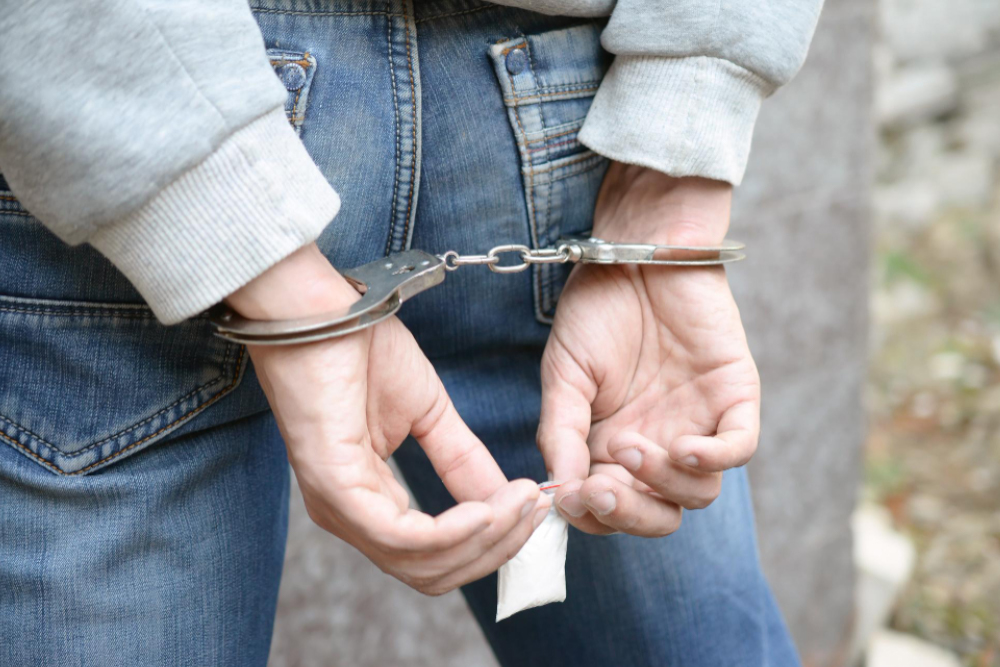
Drug-related arrests often lead to immediate questions about release from jail and the financial obligations that follow. Many families search for clear explanations about drug possession bail bonds because the process can appear confusing during an already stressful situation. Bail allows a defendant to leave custody while awaiting court proceedings, but the method used to secure release affects costs and responsibilities.
Understanding the steps involved helps defendants and families respond quickly after an arrest. In Louisiana, many people explore Louisiana affordable bail options when drug charges result in bail amounts that are difficult to pay in full.
Understanding Drug Possession Charges and Bail
Drug possession cases involve allegations that an individual had illegal substances in their control. The severity of the charge often depends on the type of drug, the quantity discovered, and prior criminal history. Courts treat these cases seriously because controlled substances fall under strict criminal statutes.
After an arrest, the defendant enters the booking process at a local jail. Authorities record personal details, photograph the individual, and enter the charges into the system. Once booking is complete, the court determines the conditions required for release.
In some jurisdictions, law enforcement relies on a predetermined bail schedule that lists standard amounts for common offenses. In other situations, a judge reviews the case and sets bail during an early court hearing.
Bail functions as a financial pledge that the defendant will appear in court. The court holds the bail amount until the case moves through the legal process. If the defendant follows all court obligations, the court maintains the bond status until the case reaches its conclusion.
The Role of Drug Possession Bail Bonds
Drug possession bail bonds allow defendants to secure release without paying the entire bail amount directly to the court. Instead of paying the full figure, a licensed bail bondsman posts the bond on the defendant’s behalf.
This arrangement allows families to handle bail amounts that might otherwise remain out of reach. Drug possession charges sometimes involve high bail figures, especially when law enforcement believes the case involves distribution or prior offenses.
The bondsman charges a percentage of the total bail amount as a fee. This payment represents the cost of the bond service and does not return after the case concludes. In many jurisdictions, the fee generally represents about ten percent of the total bail amount.
Once the bond is secured, the jail releases the defendant while the legal case continues in court.
The Bail Process After a Drug Arrest
A drug possession arrest triggers several legal steps before release becomes possible. Understanding these stages helps families move through the process more efficiently.
After arrest, officers transport the defendant to a detention facility for booking. During this time, authorities record fingerprints, personal information, and the alleged charges. The individual may remain in custody until a bail amount becomes available.
In many cases, the bail amount is set quickly through a standard bail schedule. If the case involves more serious circumstances, a judge may review the details during a hearing before determining the bail conditions.
Once the court sets the bail amount, the defendant has several options. The person may pay the full amount directly to the court. Some defendants remain in custody until their court date. Others contact a bail bondsman who posts the bond in exchange for a service fee.
After the bond is accepted, the jail processes the release. The defendant then leaves custody while the case proceeds through the court system.
Factors That Influence Bail Amounts in Drug Possession Cases
Several details influence the bail amount in drug possession cases. Judges consider the seriousness of the charge and the defendant’s personal background before setting the bond.
The type of drug involved often plays a major role. Certain controlled substances carry stricter penalties under state law. Larger quantities of drugs may also suggest intent to distribute, which can lead to higher bail amounts.
Criminal history affects the court’s evaluation as well. A defendant with prior drug convictions may face stricter bail conditions compared with someone who has no previous record.
Courts also examine the likelihood that the defendant will return for future hearings. Community ties, employment status, and prior court appearances can influence this decision.
If the court believes the defendant may flee or pose a public risk, the judge may increase the bail amount or impose additional restrictions.
Collateral and Financial Responsibility
Drug possession bail bonds sometimes require collateral before the bondsman agrees to post the bond. Collateral functions as a financial safeguard for the bondsman.
Common forms of collateral include vehicle titles, property documents, or other valuable assets. Families may also act as co-signers, which means they accept financial responsibility for the bond agreement.
Collateral becomes particularly common when bail amounts reach higher levels or when the case carries increased legal risk. The purpose is to protect the bondsman from financial loss if the defendant fails to appear in court.
Once the legal case concludes and the defendant fulfills court obligations, the collateral is returned according to the terms of the agreement.
Those interested in understanding fee structures can review the bail bond cost in Louisiana, which explains how bond fees typically operate throughout the state.
Conditions That May Accompany Drug Possession Bail
Release on bail does not always mean unrestricted freedom. Courts frequently impose specific conditions on defendants released in drug-related cases.
Drug testing remains one of the most common requirements. Courts often order regular testing to confirm that the defendant avoids illegal substances while awaiting trial.
Judges may also place limits on travel. Defendants might need permission before leaving the parish or state during the pretrial period.
Courts sometimes restrict contact with certain individuals involved in the case. In situations involving alleged drug distribution, the judge may restrict contact with co-defendants or locations connected to the investigation.
Another common condition involves periodic check-ins with the court or bail bondsman. These check-ins allow authorities to track compliance with the terms of release.
Failure to follow these conditions can lead to immediate consequences. The court may revoke the bond and return the defendant to custody.
Get Fast, Reliable Bail Help from AffordaBail Bail Bonds
At AffordaBail Bail Bonds, we help families across Louisiana respond quickly after drug-related arrests. Our team works around the clock and handles drug offense bail bonds, electronic bail bonds, and other cases with discretion and speed.
With more than three decades of experience across multiple parishes, we guide clients through the bail process with clear communication and honest service when time matters most.