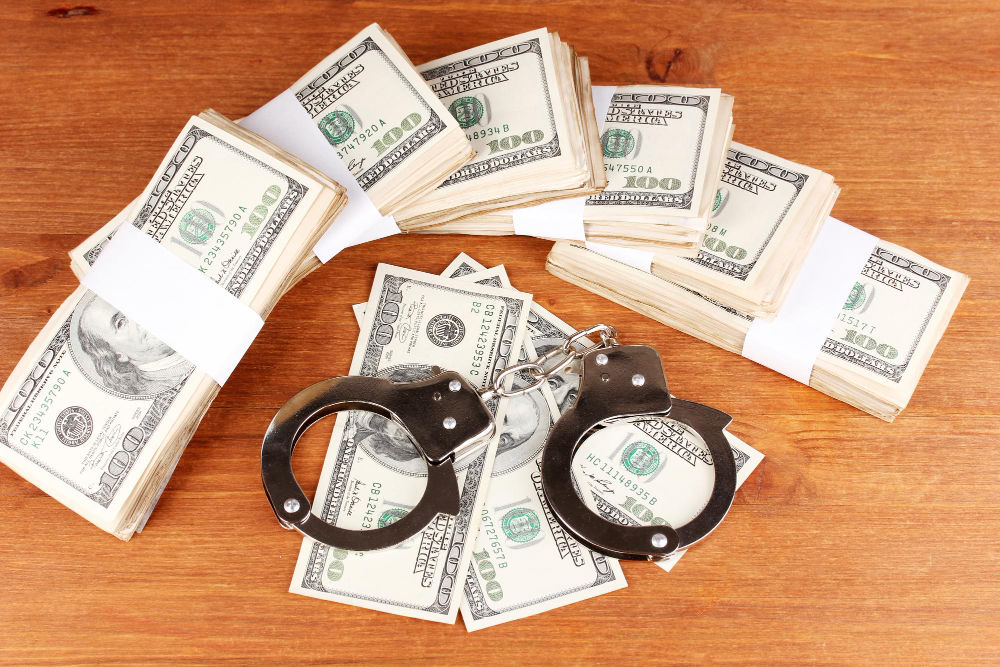
A criminal case often raises immediate financial questions, especially about bail. Many defendants and families ask what happens to bond money if found guilty and how the process works after a case concludes. Bail exists as a financial guarantee that a defendant will appear in court. However, the way money is handled after a verdict depends on how bail was posted.
Cash bail and bail bond services operate differently, which affects refunds, deductions, and final costs once the legal process ends.
Understanding How Bail Works in Criminal Cases
Courts set bail to secure a defendant’s appearance during legal proceedings. Instead of remaining in custody until trial, a defendant can gain temporary release by posting bail.
There are two common ways to do this. One option involves paying the full bail amount directly to the court. The other involves working with bail bond services, where a licensed bondsman posts the bond on the defendant’s behalf for a fee.
The court holds cash bail as a guarantee. If the defendant attends all scheduled hearings, the money may be returned after the case concludes. A bail bond operates differently because a bondsman assumes financial responsibility for the full amount.
The bail bond cost in Louisiana typically involves a legally regulated premium, often around ten to fifteen percent of the total bail amount. This fee compensates the bondsman for taking on the financial risk tied to the bond. It remains non-refundable because it represents the cost of arranging the defendant’s release and accepting responsibility for the full bail value.
What Happens to Cash Bail After a Guilty Verdict
If a defendant or family member pays the full bail amount directly to the court, the money does not automatically disappear after a guilty verdict.
Courts usually return the remaining balance after the case ends, but several deductions may apply. Judges often apply bail funds toward unpaid fines, restitution, or administrative court fees connected to the case.
For example, if a person posts $5,000 in cash bail and the court orders $1,500 in fines, the court may deduct that amount before issuing the refund. The remaining balance typically goes back to the person who paid the bail.
The refund process begins only after the case officially concludes. Courts also confirm that the defendant attended all hearings before releasing any funds.
What Happens When a Bail Bondsman Is Used
The outcome changes when a defendant uses bail bond services instead of paying cash bail.
A bondsman charges a premium to post the bond, which usually falls between ten and fifteen percent of the total bail amount. That fee pays for the bondsman’s financial risk in guaranteeing the defendant’s court appearances.
Because this fee pays for a professional service, it does not return after the case ends. A guilty verdict does not change this rule. Even if charges are reduced or dismissed, the premium remains non-refundable.
However, collateral used to secure the bond may return after the case concludes, assuming the defendant complied with all court requirements.
Court Attendance and Bail Forfeiture
Court attendance plays a major role in determining what happens to bail money.
If a defendant misses a scheduled hearing, the court may declare bail forfeited. This action allows the court to keep the full bail amount. In cases involving bail bonds, the bondsman becomes responsible for the entire bond value.
Because of this risk, bondsmen closely monitor court dates and maintain communication with defendants throughout the case.
A missed court appearance can also lead to additional charges or a warrant. In such situations, new bail may be required before release becomes possible again.
How Long Bail Refunds Take
Even when a refund applies, the process does not happen immediately.
Courts usually begin processing bail refunds after the case reaches final resolution. Administrative procedures, verification steps, and financial processing all influence the timeline.
In many jurisdictions, the refund process takes between two and eight weeks. Some courts require formal paperwork before releasing the funds, while others automatically send payment to the individual who posted bail.
Refunds arrive through a mailed check or another court approved payment method. If fines or restitution exist, the court subtracts those amounts before issuing the remaining balance.
Take The Next Step With AffordaBail Bail Bonds
At AffordaBail Bail Bonds, we help families across Louisiana navigate bail after an arrest. Our team works around the clock and handles electronic bail bonds, DUI bail bonds, domestic violence bonds, and other cases. With more than three decades of experience, we focus on fast response, clear guidance, and honest service.
If questions arise about affordable bail or court obligations, we are ready to help you move forward with confidence.