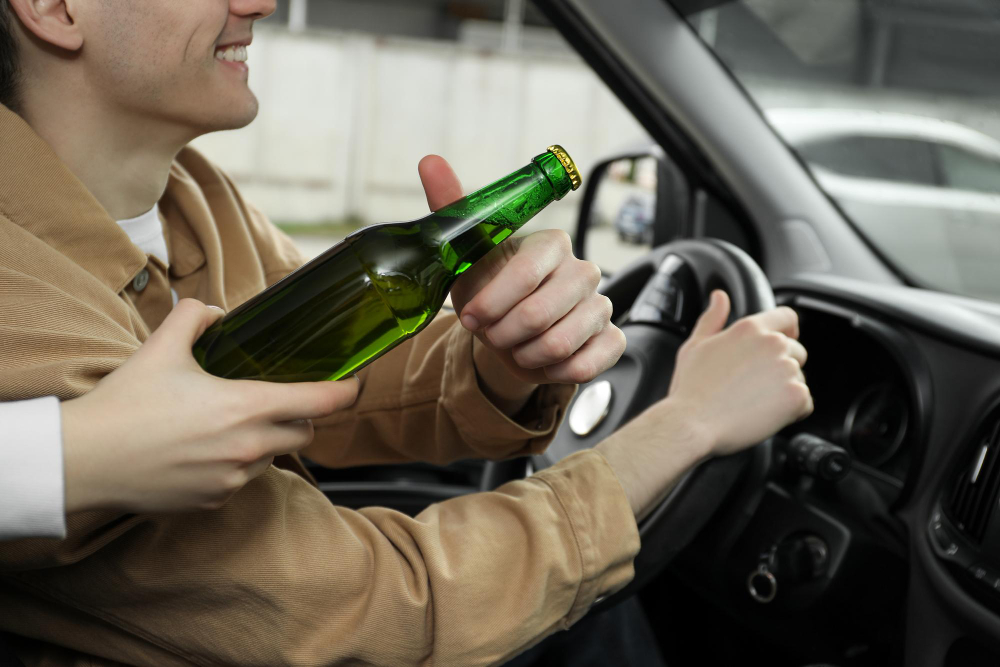
A DUI arrest often raises urgent financial questions. Families frequently ask how much bail is for a DUI and how quickly release can happen after booking. In Louisiana, bail exists as a financial condition that allows a defendant to leave custody while awaiting court proceedings. The exact amount varies widely depending on circumstances surrounding the arrest.
Factors such as prior offenses, blood alcohol level, and accident involvement influence bail decisions. Many people also explore professional assistance through Louisiana affordable bail services when immediate payment of full bail is difficult.
Understanding DUI Charges and the Bail Process
Driving under the influence is treated as a criminal offense across the United States. Louisiana law penalizes drivers who operate a vehicle while impaired by alcohol or drugs.
A DUI arrest usually begins after a traffic stop or checkpoint. Officers may observe signs such as erratic driving, the smell of alcohol, or failed sobriety tests. If officers suspect impairment, the driver may face arrest and transportation to a local jail.
During booking, law enforcement records the arrest and places the individual in custody until release conditions are determined. In many jurisdictions, authorities refer to a bail schedule to set an initial bail amount. In other situations, a judge reviews the case during arraignment and determines the conditions for release.
The purpose of bail remains simple. It acts as a financial guarantee that the defendant will appear in court for future hearings.
How Much is Bail for a DUI in Louisiana?
Many people ask how much bail is for a DUI after an arrest because the amount affects how quickly someone can return home.
For many first-time misdemeanor DUI cases, bail amounts often range from about five hundred to several thousand dollars. However, courts may set much higher bail in more serious situations. Cases involving repeat offenses, injuries, or extremely high blood alcohol levels may result in bail amounts reaching tens of thousands of dollars.
Local court policies and the judge’s evaluation of the arrest circumstances influence the final figure. Each parish court in Louisiana follows its own procedures, which explains why bail may differ from one location to another.
Some individuals may qualify for release without paying bail if the court determines that they present little risk of failing to appear. In such cases, the judge may release the defendant based on a written promise to attend court.
Factors That Influence DUI Bail Amounts
Courts review several details before deciding the bail amount in DUI cases.
Criminal history often receives close attention. A driver with previous DUI convictions may face higher bail because repeat offenses suggest increased risk.
Blood alcohol concentration also plays a role. A BAC level far above the legal limit can increase the seriousness of the case and may raise bail.
Accidents or injuries significantly affect the decision as well. When a DUI incident results in property damage or harm to another person, courts usually impose stricter bail conditions.
Additional factors include license suspension status, refusal to take chemical tests, and the presence of a minor passenger in the vehicle. Each of these circumstances may lead to higher bail because they increase the perceived severity of the offense.
What Happens if Someone Cannot Pay Full Bail
Many families do not have immediate access to the full bail amount set by the court. In those situations, a bail bond becomes an alternative path to release.
Instead of paying the entire amount directly to the court, a defendant or family member may contact a licensed bail bondsman. The bondsman posts the bond with the court and accepts financial responsibility for the full bail amount.
In exchange, the client pays a percentage of the bail amount as a non-refundable fee. This fee usually represents a fraction of the total bail figure and allows the defendant to leave custody much sooner than waiting for the court date.
Court Appearances and Bail Obligations
After release, the defendant must comply with all court conditions. Attending scheduled hearings remains the most important responsibility connected to bail.
If a defendant fails to appear in court, the judge may revoke bail and issue a warrant. In cases involving bail bonds, the bondsman becomes responsible for the full bail amount and may take steps to locate the defendant.
Judges may also impose additional conditions during release. These can include restrictions on alcohol use, installation of an ignition interlock device, or other monitoring requirements depending on the details of the case.
Meeting these conditions allows the case to proceed through the legal system while the defendant remains outside of custody.
Get Reliable Bail Help From AffordaBail Bail Bonds Today
At AffordaBail Bail Bonds, we assist families across Louisiana when DUI arrests create urgent situations. Our bail bond team works around the clock and handles DUI bail bonds, electronic bail bonds, and other cases with speed and discretion.
With more than three decades of experience and service across many parishes, we help clients navigate the bail process with clear guidance and honest communication when time matters most.