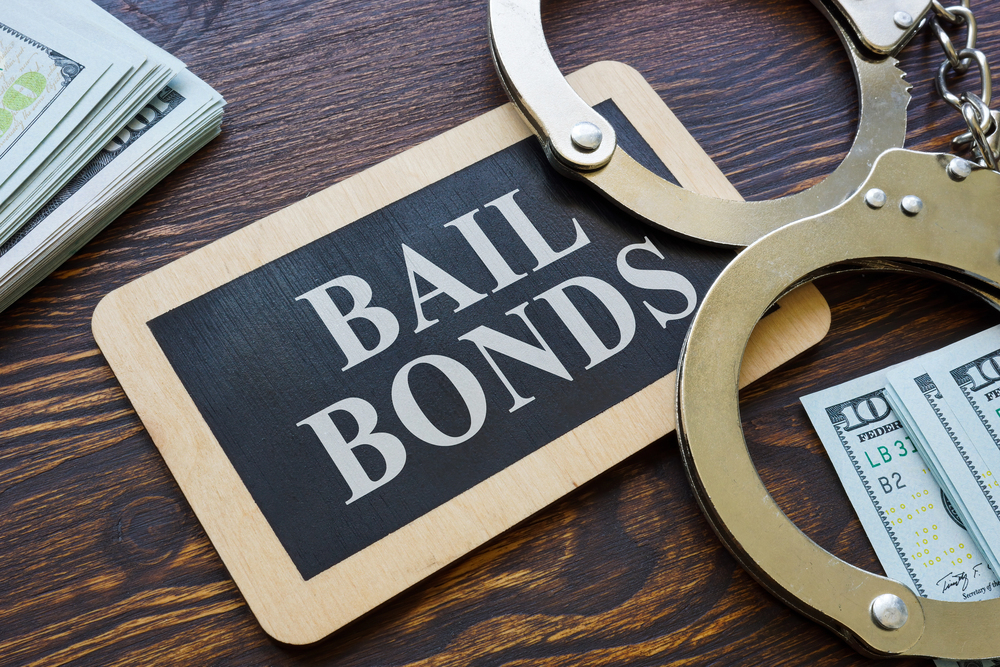
When an arrest happens, decisions often need to be made quickly, and financial questions tend to surface immediately. One of the most common questions families ask is how much bail is, especially when the amount set by the court feels out of reach. In Louisiana, bail bonds exist to bridge that gap, allowing defendants to be released without paying the full bail amount. Understanding how bail bond pricing works can help you approach this process with greater clarity. Rather than focusing only on the dollar figure, it is important to understand how bail bonds function, what the required fees represent, and what factors may influence the total amount you are responsible for paying.
Understanding Bail and Bail Bonds in Louisiana
Bail is a financial condition imposed by the court to ensure that a defendant returns for all required court appearances. Judges consider case elements such as the seriousness of the offense, prior criminal history, and the likelihood of flight when determining the bail amount. In many cases, the amount set can be financially overwhelming for families. A bail bond provides an alternative when paying the full bail amount is not realistic. By working with a licensed bail bond agency, you are able to secure release by paying a percentage of the total bail instead of the full amount. The bail bond agency posts the bond with the court and assumes responsibility for the total bail amount if the defendant fails to appear. This arrangement allows defendants to return home while their case proceeds, rather than remaining in custody solely due to financial limitations.
How Bail Bond Costs Are Determined in Louisiana
In Louisiana, bail bond fees are regulated by state law, which creates consistency and predictability across the system. In most situations, the cost of a bail bond is set at approximately twelve percent of the total bail amount, subject to a minimum fee requirement. This structure ensures that pricing remains standardized rather than varying widely between providers. The fee you pay is known as the bail bond premium. This premium is non-refundable and is paid in exchange for the bail bond service itself. It does not reduce the total bail amount and is not returned at the conclusion of the case, even if all court obligations are met. Understanding this distinction is important. The premium represents compensation for the bail bond agency’s risk, administrative work, and legal responsibility associated with posting the full bail amount. Viewing it as a service fee rather than a deposit helps clarify why it is structured this way.
Factors That Can Affect the Total Cost You Pay
While the bail bond premium is regulated, the overall cost you experience may still vary depending on circumstances. One of the most influential factors is the bail amount itself. As bail increases, the premium increases proportionally, which can significantly impact affordability in higher-bail cases. Local court or parish-related administrative fees may also apply in some jurisdictions. These fees are separate from the bail bond premium and are typically assessed by the court rather than the bail bond agency. Being aware of these potential costs can help you plan more accurately. Collateral is another consideration in certain cases. When bail amounts are higher or the bond is considered higher risk, collateral may be required to secure the bond.
Bail Bonds Versus Paying Bail in Full
Posting bail directly with the court is an option when sufficient funds are available. In that case, the bail amount is paid up-front and is generally returned at the end of the case, minus any court fees or fines. However, this approach can tie up a large sum of money for an extended period. Using a bail bond allows you to retain access to most of your funds while still securing release. Although the premium is not refundable, many families find that preserving cash flow for legal fees, household expenses, and daily responsibilities is a critical advantage. The decision between paying bail in full and using a bail bond often comes down to liquidity and financial priorities.
What the Bail Bond Fee Actually Covers
A bail bond premium reflects the scope of responsibility assumed by the bail bond agency. When a bond is posted, the agency guarantees the full bail amount to the court. If the defendant fails to appear, the agency may be liable for that amount or required to take action to resolve the bond. In addition to financial risk, the fee covers administrative coordination with the jail and court system, documentation, and ongoing compliance oversight. These behind-the-scenes responsibilities are essential to ensuring the bond remains in good standing throughout the legal process.
At AffordaBail Bail Bonds, we focus on responsiveness, clear explanations, and helping you understand your options without unnecessary pressure. Our experience allows us to guide you through the bail process efficiently while treating every situation with professionalism and respect.
If you need assistance or have questions about securing a bail bond, contact us today. We are here to help you move forward with clarity and confidence.